
The Name Missing From Every Celebrity Book's marketing plan
When Celebrities, influencers or brands Write Books, Who Teaches Them the Rules?


There is a moment in almost every celebrity publishing project where the worlds of marketing, social media and publishing expectations collide, and nobody quite knows who is responsible for managing the crash
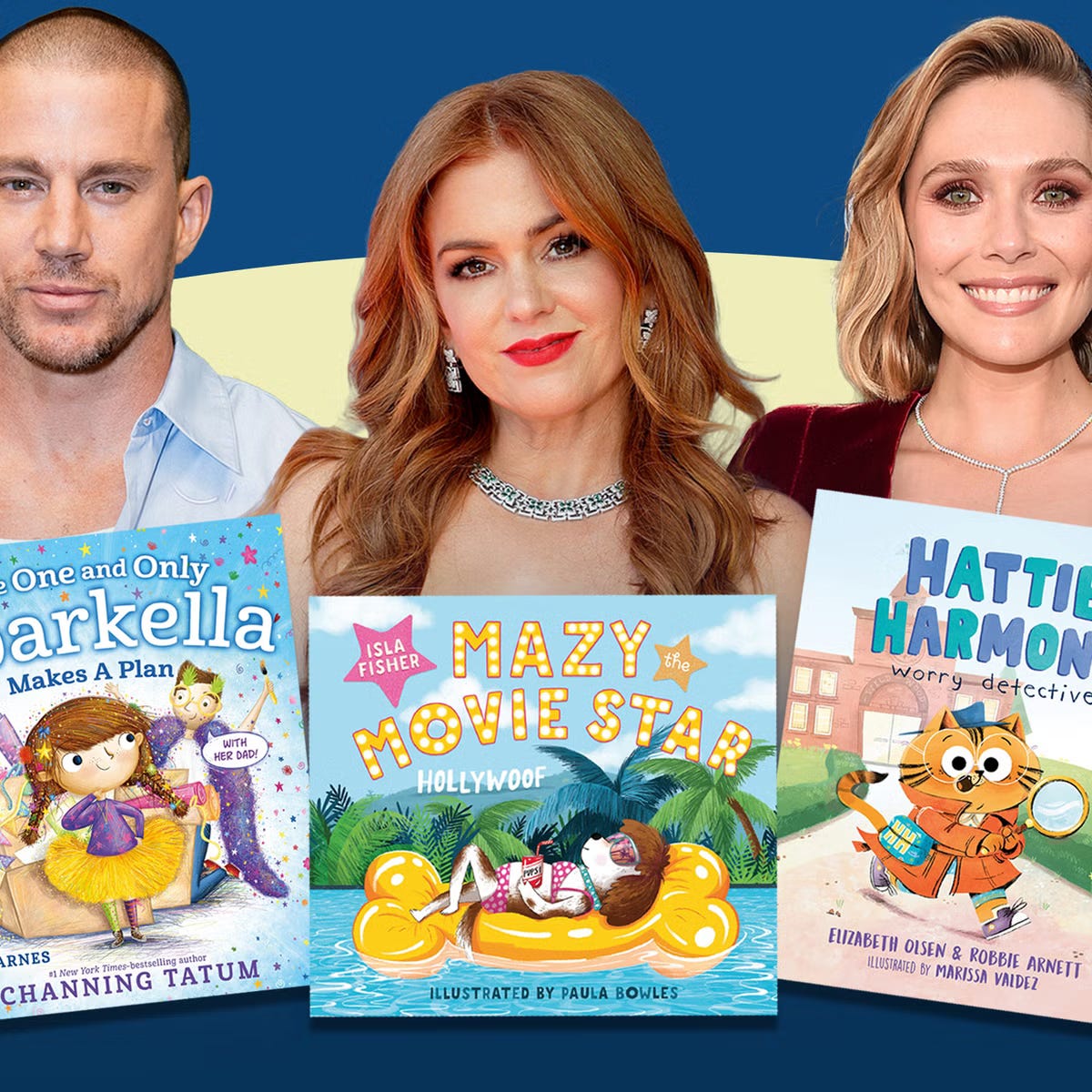
I want to talk about illustrators. Specifically, about what happens when a celebrity author goes on television to talk about their beautiful picture book, holds it up to the camera, describes the illustrations, and doesn’t once mention the name of the person who drew them. When they post pictures and the cover of their book on Instagram, and don’t mention the illustrator who created them.
This is happening. And we need to talk about it together, as an industry.
The Instagram Brain vs The Publishing World
Here is what I think is going on, and I say this without malice, I was a big Heat reader back in the day and I believe celebrities who come into publishing are not bad people. They are people who have been enormously successful in a different world, with different rules. And in that world, the world of Instagram, of brand deals, of affiliate marketing, mentioning someone else’s handle on your account is a commercial transaction. Large accounts are paid significant sums to hashtag and promote other handles. So the instinct, completely understandably, is simply not to do it. Sharing another person’s name on your account feels like giving something away for free that you would normally be paid for.
Nobody has told them that in publishing, it works differently. That crediting your illustrator is not a favour, it gives the work credibility. It is not affiliated marketing. It is mutual creative respect and more than that, it is what makes the book work.
What Good Looks Like
Andy Day’s Dino Racers books with illustrator Alex Patrick are a brilliant example of how this can be done right. Andy credits Alex. Andy talks about the illustrations as a collaboration. Andy behaves, in other words, like a proper author, one who understands that the book is a partnership, and that the partnership is part of what makes the audience trust it.
Andy Day and Alex Patrick promoting Dino Racers together
That doesn’t happen by accident. It happens because someone, be it an agent, an editor, a publicist, has done the work of briefing him properly. Of explaining how publishing works, what is expected and why it matters. Of treating him as someone who is entering a new world and needs to understand its conventions, rather than assuming he will intuit them from Instagram.
We can’t rely on someone to have good manners and do what’s expected if we don’t explain to them what’s expected and WHY that’s of benefit to them, the book and the wider industry.
Andy Day discussing working with Alex Patrick on BBC Breakfast
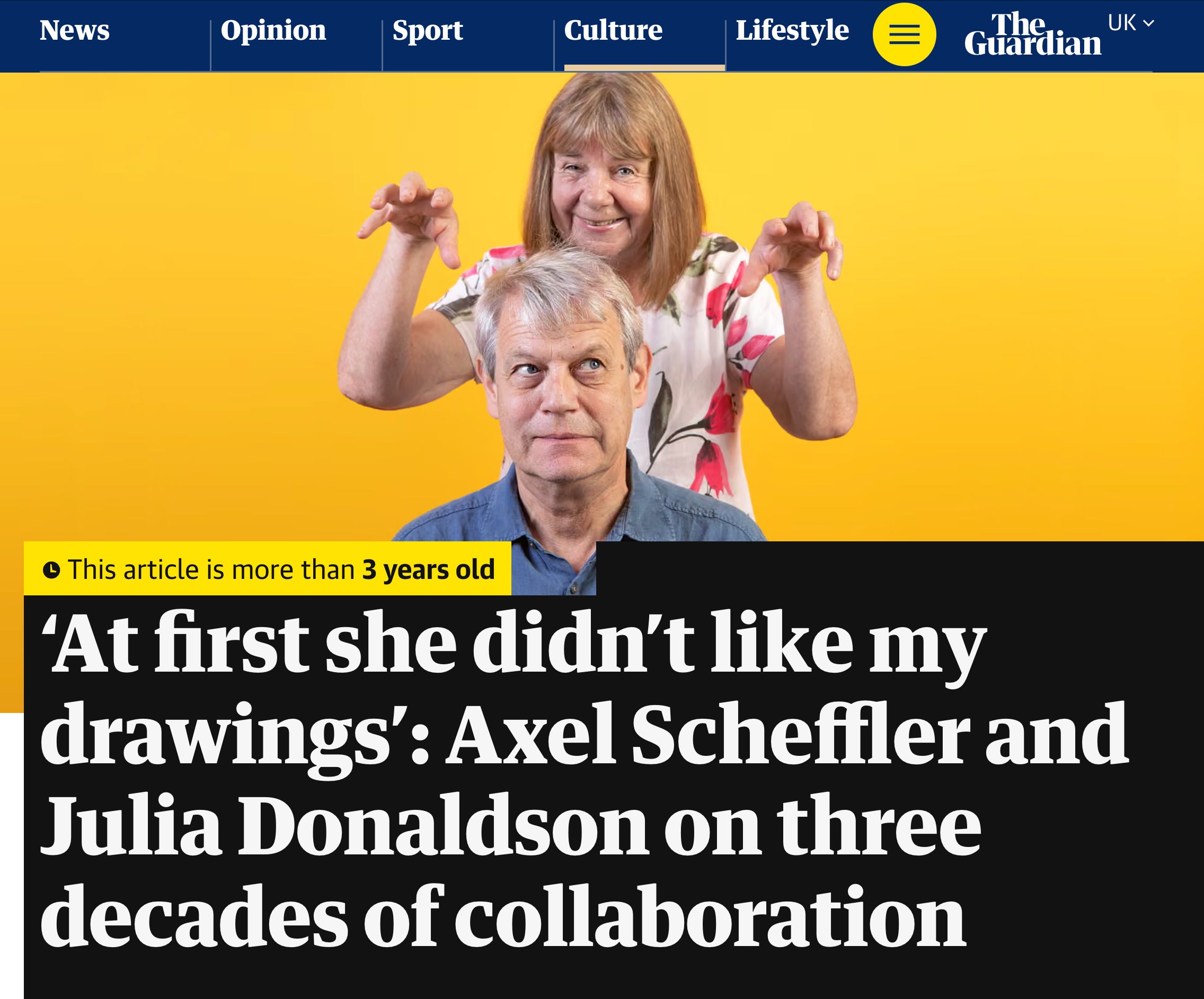
Dame Julia Donaldson Would Not Be Dame Julia Donaldson Without Axel Scheffler
This is the argument that I think everyone will understand. The most successful children’s books in history are built on the author-illustrator relationship. The Gruffalo is not just Julia Donaldson’s book. Room on the Broom is not just Julia Donaldson’s book. They are collaborations, and that collaboration is part of why they sell millions of copies and sit on shelves for decades.
The illustrator is not an optional extra. They are not the person who draws the pictures after the real creative work has been done. They are half of the thing. Often more than half in a picture book. They are the reason a child picks the book up from the shelf and recognises it, and asks for it again and again.
When a celebrity author holds up their book on television and talks only about their ideas, their vision, their journey, and doesn’t once name the illustrator whose work is literally on the screen they are being unfair to the artist. But they are undermining the long-term success of their own book.
Because here is the truth about celebrity publishing: the books that last are the ones that are taken seriously. The ones that get stocked face-out, recommended by booksellers, librarians, schools and given as gifts. And booksellers, librarians and the press take a book more seriously when it presents itself as a proper publishing project. A named, credited, celebrated illustrator is a signal. It says: this is not a quick spin-off. This is a real book.
If you’re not in publishing these groups are easily overlooked. But the power of the trade, of book reviewers, librarians, is often the secret to many a books success.
The Uncomfortable Question About Celebrity Publishing
I want to be fair here, because I think there is a genuine complexity to this and I do support celebrity publishing.
Celebrities and Brands bring something real to publishing. They have audiences. They have reach. They get books into the hands of readers who might not otherwise walk into a bookshop. That is enormously valuable at a time when the industry is grappling with a reading crisis and fighting for attention against every other screen in the room.
And many celebrity authors do have genuine ideas. They have angles, experiences and perspectives that connect with their audience in an authentic way.
The question is whether they are worried that crediting the illustrator will make their audience doubt them. Whether naming the person who drew the pictures will make people wonder how much of the book they actually wrote. Of the celebrity authors I have worked with that do have editors, I have seen real insecurity and anxiety they will loose the trust of their audience if they haven’t been seen to write every word of it. But in our world of publishing, this is backwards. A celebrity who is confident enough to share the credit of the illustrator is a celebrity who comes across as generous, collaborative and secure and an author. That is far more appealing than one who appears to be hoarding the glory.
The illustrator’s audience and the author’s audience are not in competition. They are mutual. And a celebrity author who champions their illustrator is doing something that actually builds their own credibility as an author rather than undermining it.
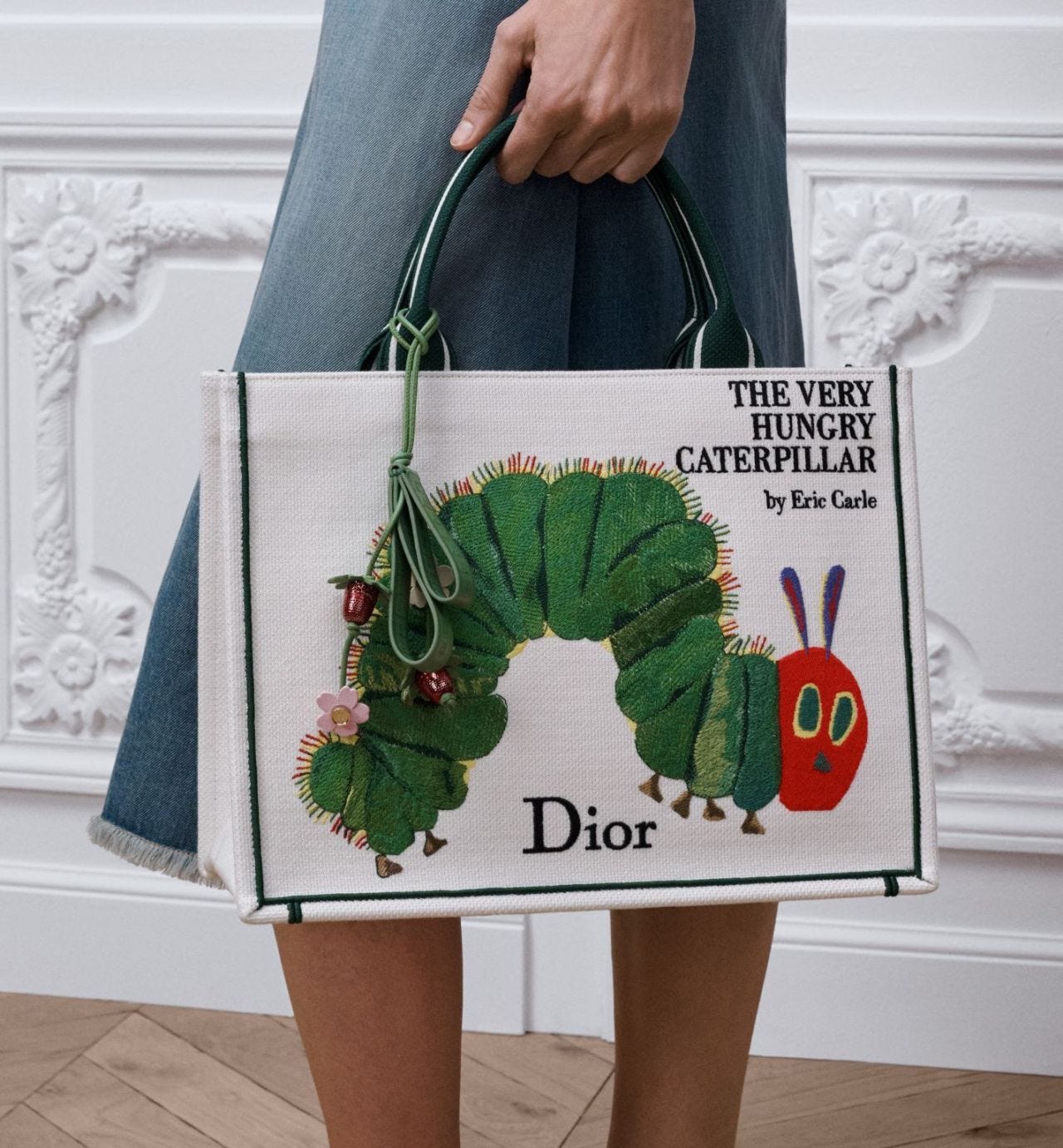
I wrote on this subject before, in the context of AI. Massive brands are turning to artists because, in the age of AI slop, the ultimate luxury good is illustrated. The thing in common with these mega brands? They name-check the illustrator. Click below to take a look.

So Whose Job Is It?
This is where I think we need to be honest with ourselves as an industry.
Is it the editor’s job? Often editors are, as someone put it to me recently, quite booky people who can be slightly overwhelmed by the celebrity in the room and the weight that carries in advance and expectation. The relationship dynamic is skewed. The celebrity has a bigger platform, a louder voice, a team of people around them who manage their brand with great confidence. The editor, who knows exactly how publishing works and what is expected, sometimes finds it hard to say clearly: this is the right thing to do and will enable your book.
Is it the agent’s job? Absolutely. If you are representing a celebrity author entering the publishing world, part of your job is educating them. Not just on contract terms and royalty rates, but on the culture and conventions of the industry they are entering. On what makes a book last. On why crediting your illustrator is in their interest, not just a nicety.
Is it the publisher’s job? Yes. Publishers should be including illustrator credit expectations in their author briefings as a matter of standard practice. Not because they have to. Because it is right, and because it protects the books they are investing in and gives them every reach of success.
The honest answer is that it is everyone’s job, and right now, in too many cases, nobody is doing it.
What We Should Do
I am not calling for a campaign or a policy or a new clause in every contract. I am calling for something simpler: for agents, editors and publishers to take responsibility for educating the celebrity authors they work with, before the book comes out, on what is expected and the benefits of that.
Tell them: when you are on television, mention the illustrator. When you post about the book, tag the illustrator. When someone asks who made the pictures, say their name. Not because it is required. Because it is the right thing to do, and because the books that endure are the ones where everybody involved is treated with the respect they deserve.
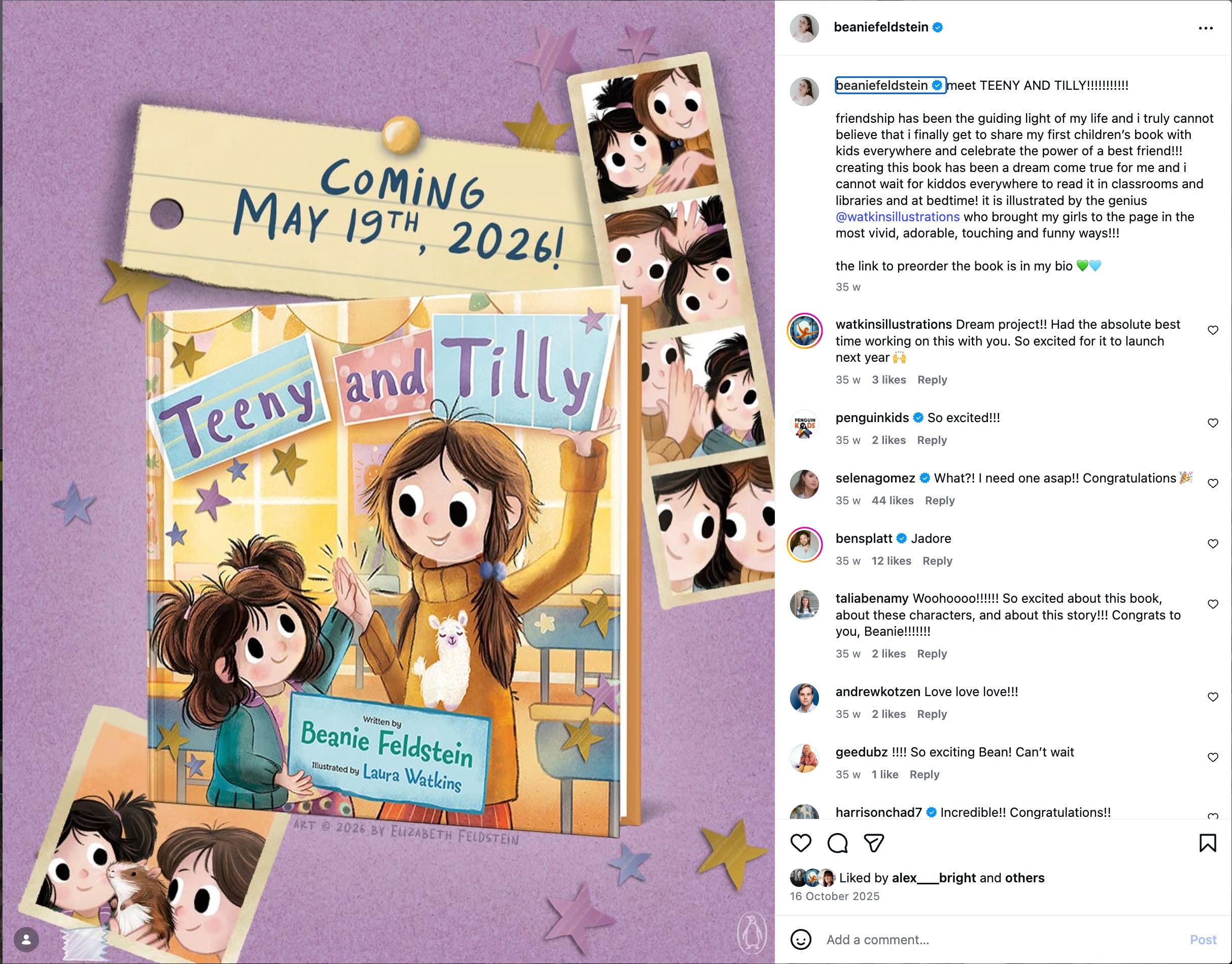
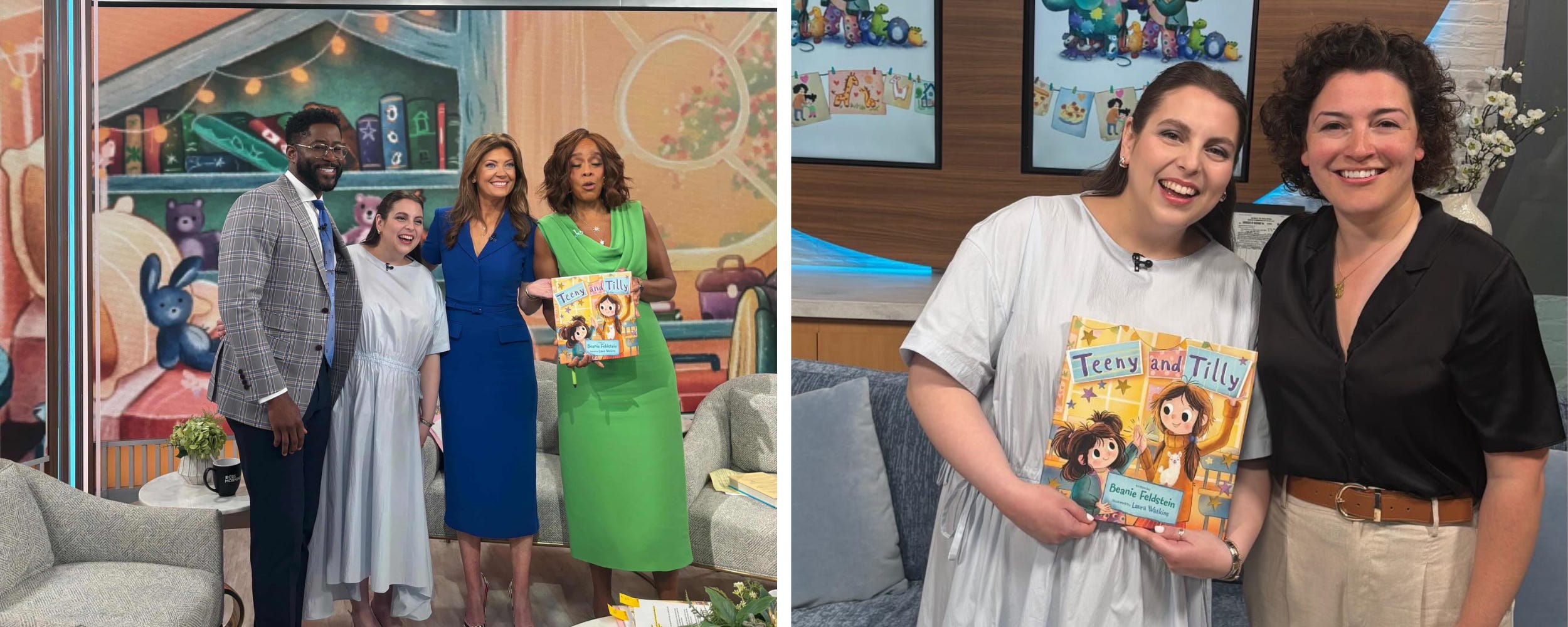
Andy Day knows this. Beanie Feldstein knows this. There are plenty of other celebrities who know this, too. The ones who have been properly briefed, properly supported, properly welcomed into publishing as a craft and a culture rather than just a channel.
We just need to make sure everyone gets that briefing. Every time.
Let me know your thoughts in the comments.